How to Prepare for an Architectural Photography Shoot as the Photographer
A successful architectural photography shoot starts long before the camera comes out. While composition, lighting, and editing all play a huge role in the final images, preparation is often what separates a stressful shoot day from a smooth and productive one.
Over the years, I’ve found that asking the right questions before arriving on site can completely change the outcome of a shoot. Here are a few things I always think through before photographing a project.
Understand the Goal of the Shoot
Before anything else, ask yourself how the images will be used. Are they for a designer’s portfolio? Editorial submission? Social media? A builder’s website?
The intended use of the images can influence everything from composition and orientation to the overall storytelling approach. Some spaces may need wide, clean portfolio images while others benefit from tighter details or more lifestyle-driven moments.
The more you understand the purpose of the shoot, the more intentional your photography becomes.
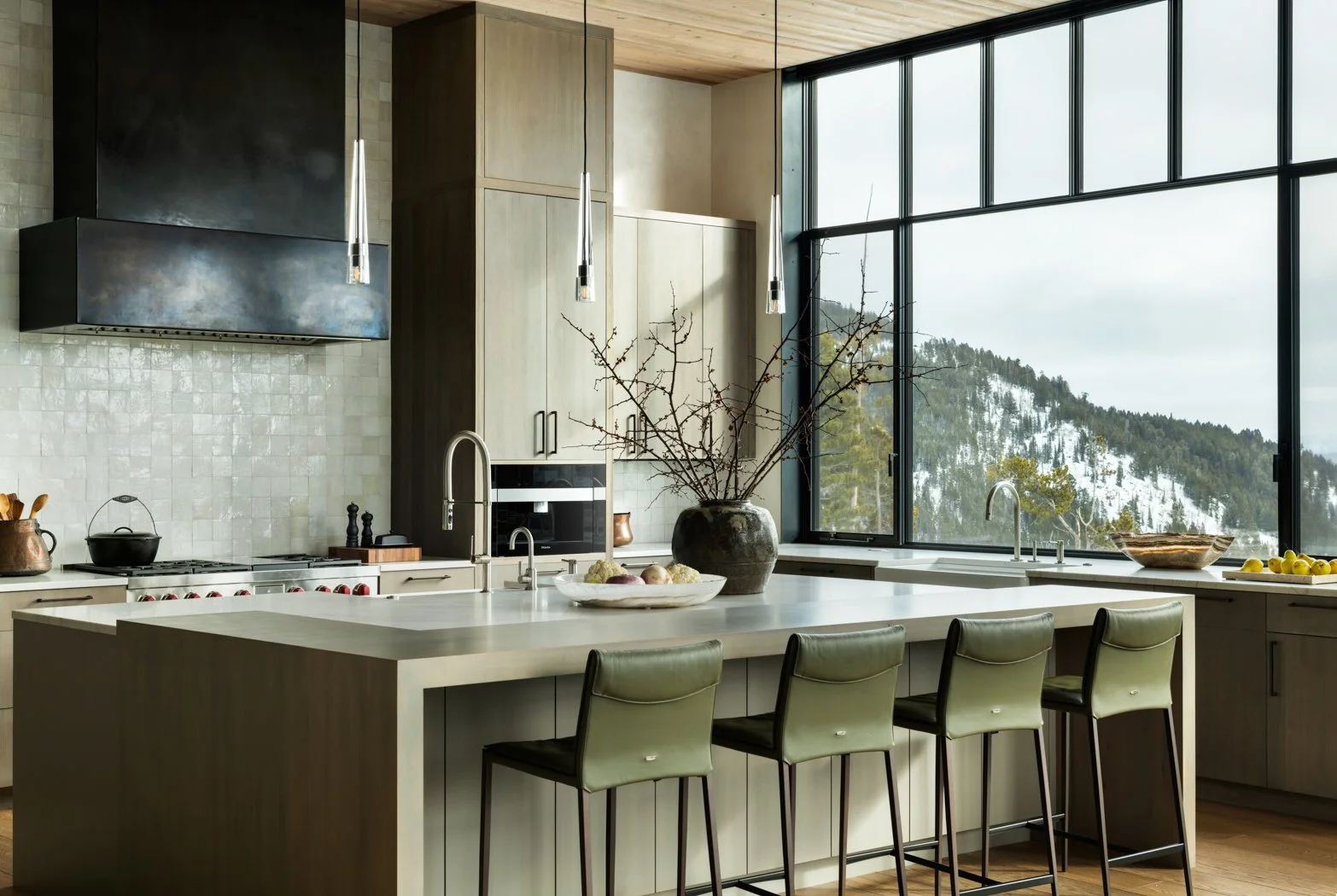
Study the Space Before You Start Shooting
One of the biggest mistakes newer photographers make is walking into a project and immediately setting up the camera.
Instead, take time to walk the property first.
Pay attention to how the light moves through the space, which rooms feel strongest, and what angles naturally draw your eye. A walkthrough also helps you identify distractions early — styling issues, reflections, unfinished landscaping, or small details that may become problems later in post-production.
A little preparation upfront can save a huge amount of time during the shoot and in editing.
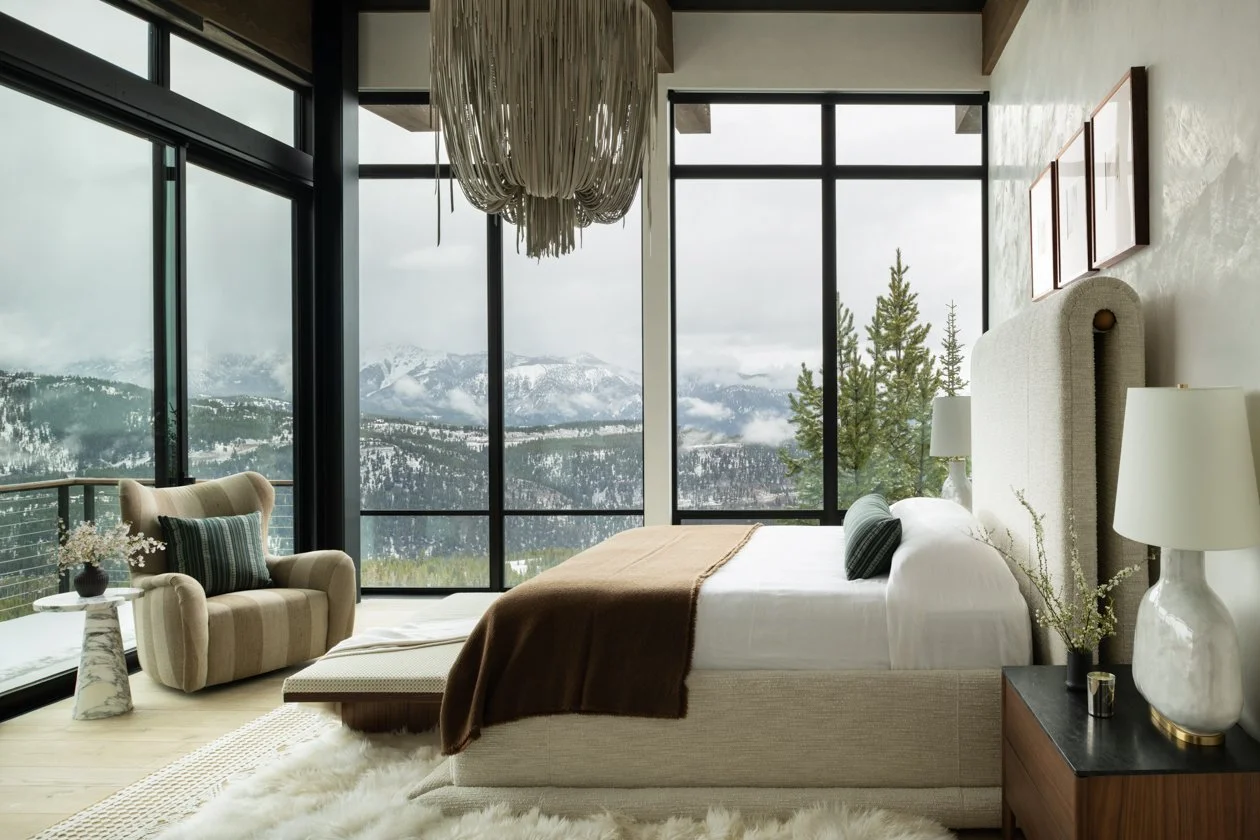
Think About Light Before Composition
Light is what gives a space mood and dimension. Before choosing angles, spend time observing where the natural light is coming from and how it’s interacting with the architecture.
Sometimes the best composition won’t work until the light is right.
On many shoots, I’ll adjust the order I photograph spaces based entirely on how the light is moving throughout the day. Learning to work with light instead of against it is one of the biggest shifts that can elevate your work.
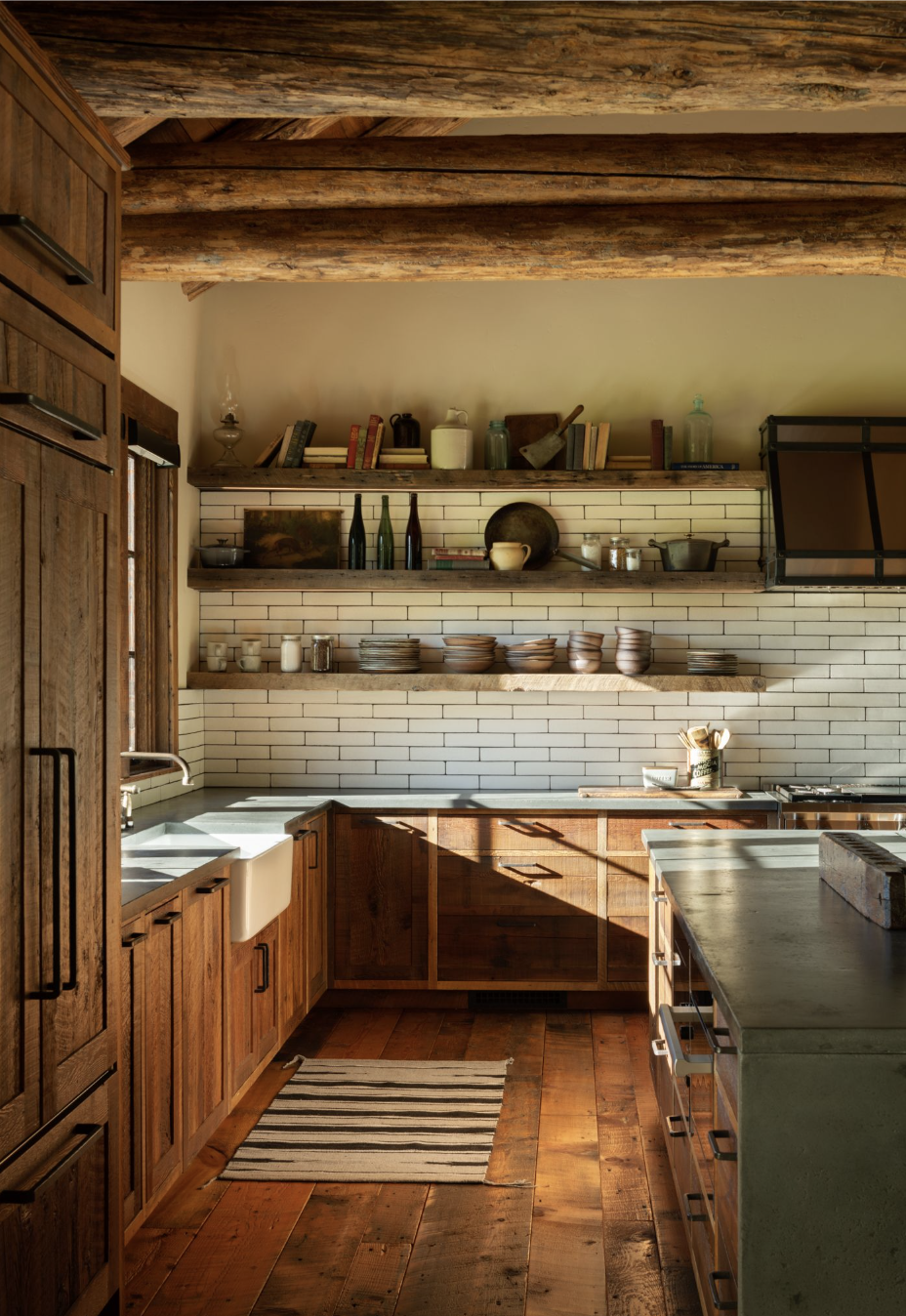
Pay Attention to Styling
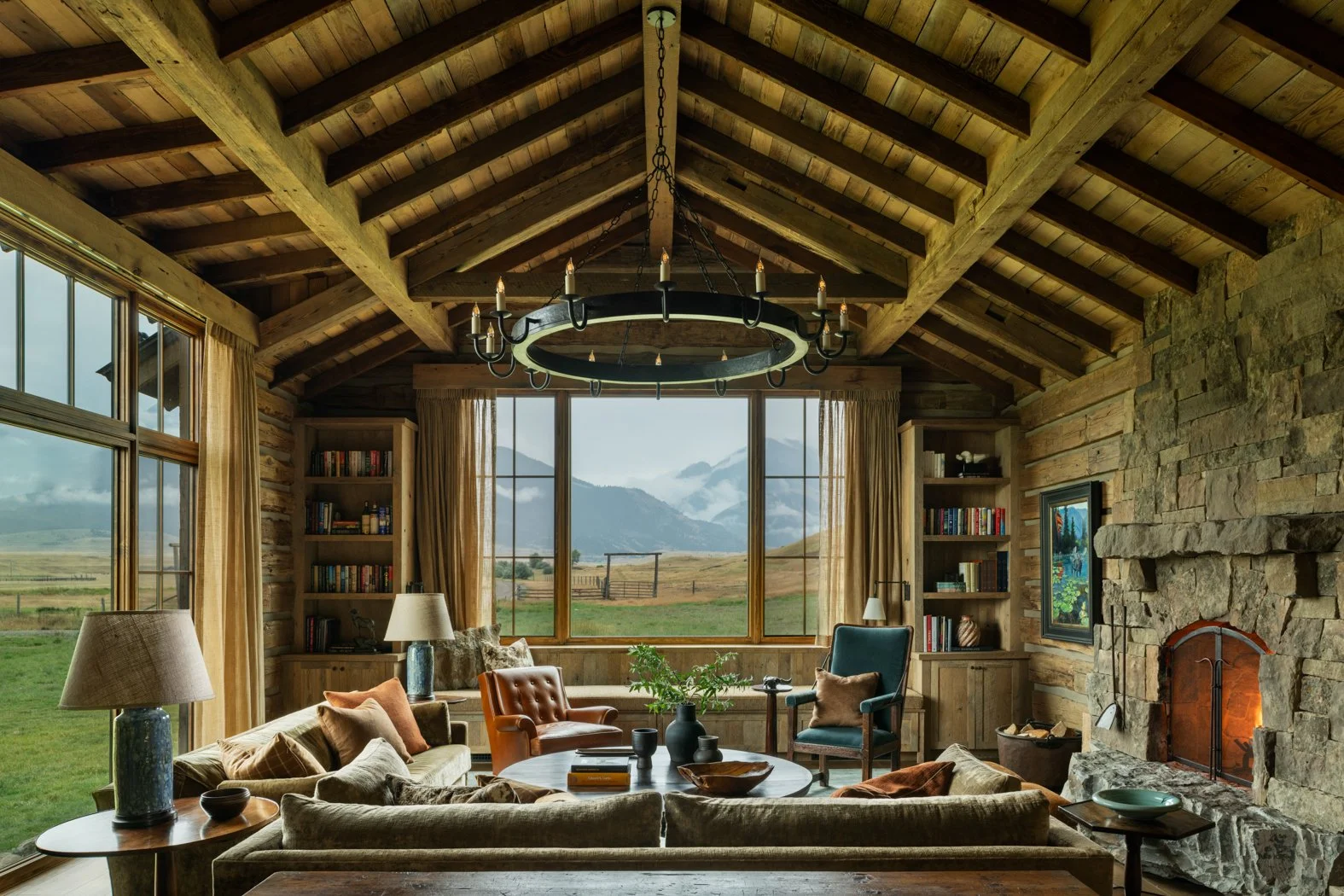
Styling plays a massive role in architectural photography. Even beautifully designed spaces usually need small adjustments once viewed through the camera.
This doesn’t mean redesigning the room — often it’s subtle changes like straightening chairs, simplifying surfaces, adjusting pillows, or removing distractions that pull attention away from the design.
The goal is to create images that feel natural while still guiding the viewer’s eye through the frame.
Communicate Before the Shoot Day
Good communication makes shoot days smoother for everyone involved.
Before arriving on site, make sure expectations are clear:
What spaces are the priority?
Are there specific must-have shots?
Will the homeowner be present?
Is the property fully ready to photograph?
Having these conversations ahead of time helps avoid unnecessary stress and allows you to focus on creating strong images once you arrive.
Final Thoughts
Great architectural photography is rarely accidental. The strongest images usually come from preparation, observation, and intentional decision-making before the camera is ever set up.
The more experience you gain, the more you realize that preparation is part of the creative process — and learning how to approach a shoot strategically can completely transform both your images and your workflow.