Why Should you Hire an Architecture Photographer?
This is a very good question! The first question you need to ask yourself is why are photographing your architect/interior design project? If you are planning to use the images for advertising or editorial purposes, I would highly recommend looking at a professional for these purposes and here is why -
Lighting
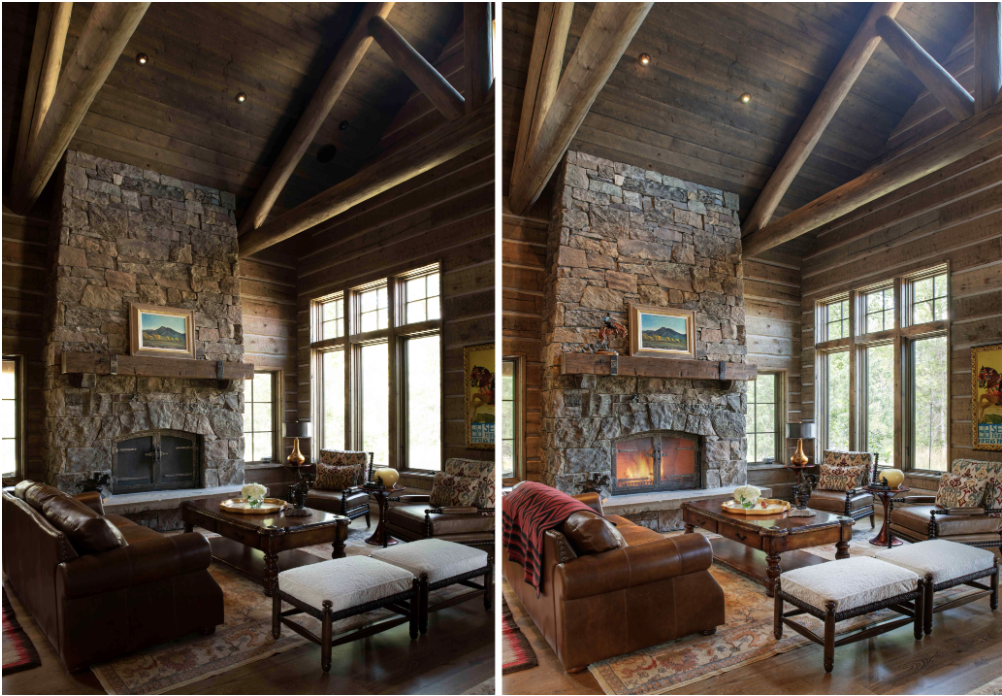
Artificial lighting can do wonders to a room. My personal technique is to use as much natural light as possible, but sometimes to get the real feel of the room you need to add a little pop of light here and there. This extra light fills in certain aspects of the space that may be lost in shadow. Some of these little details are what make the room so spectacular so you might as well let people see them!
Below is one shot taken before any lighting was added, the second was with the lighting. Huge difference - it's like the room has come to life in the second shot!
Staging
Staging is so, so important! I have yet to go in to a space where I don't move something. It has nothing to do with how the room is designed, it has everything to do with how the room looks through the lens. When you walk into a room you are able to ore around and see the room in a real life atmosphere. A photo has to show the feel of the room - as you would feel it by walking around - on a 2-D platform. This is where staging comes in. Moving furniture, lamps, books, just about everything in the room to make it appealing, make your eye flow through the image, and make the photograph look like something you could walk right into. After all, that is the goal!
A photographer will also come in with a new perspective and fresh eyes.
Below I have included a time-lapse of my staging this particular room. It takes some time and patience.
Post Production
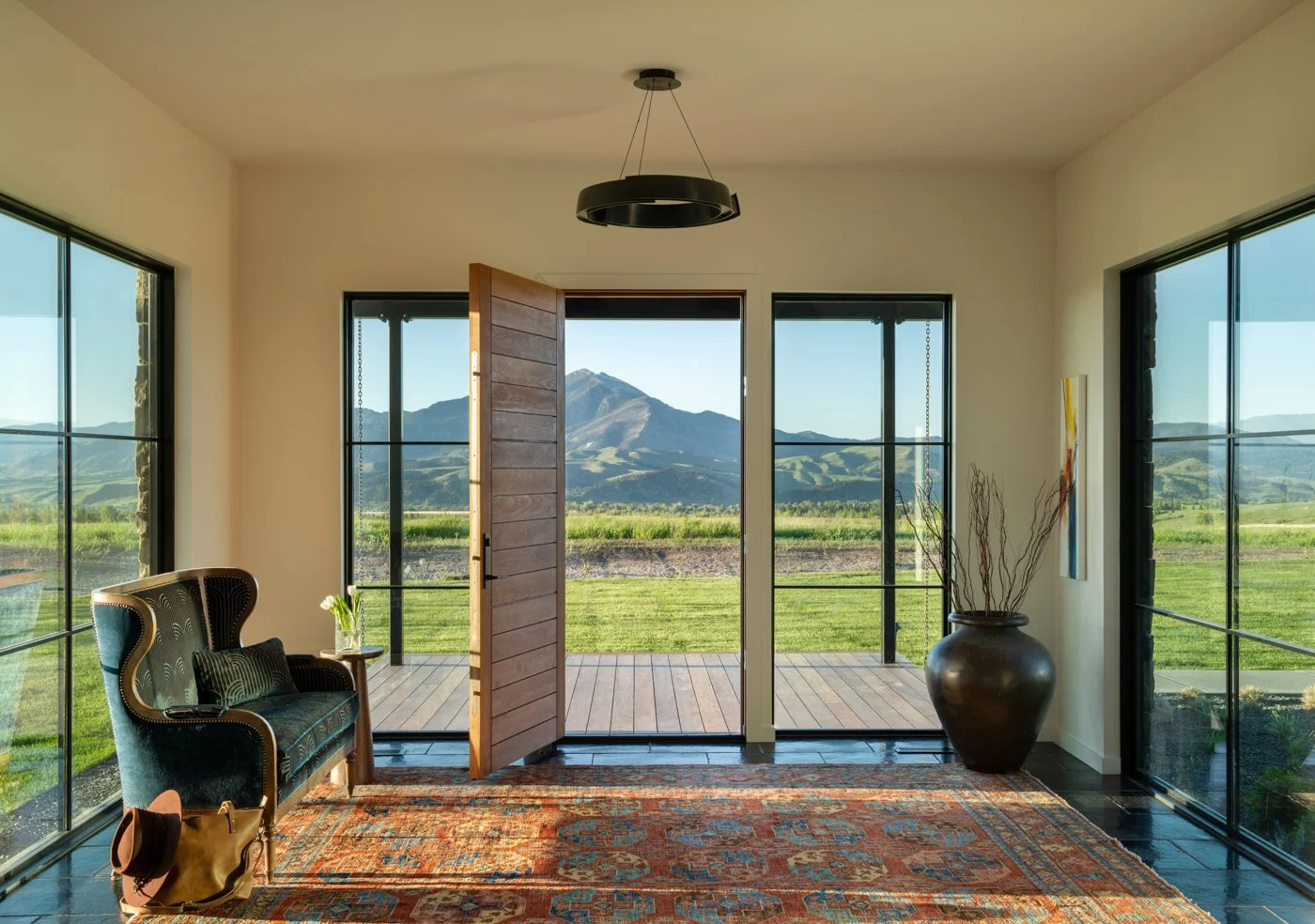
This is key in most architecture photographers processes. I know it is in mine. Whether it's fine tweaking and retouching or full timely edits this is essential in the professional photographers process and can be a very complicated process to master. The photographer will have all the right programs, knowledge, and equipment.
Schedule
Most photographers work on a deadline. It's great to know you as the client are the priority. You are guaranteed to get your photos in the timeframe you arrange with the photographer, this takes the load off your shoulders completely and allows you to complete your project with no delay. What could be better than that? :)
To me, great architectural photography is about much more than simply documenting a space. It’s about creating images that help people feel what it’s like to be there. The warmth of the light, the flow of the layout, the texture of the materials, and the story behind the design. Professional photography brings together lighting, styling, composition, and post-production to create images that not only look beautiful, but also serve a purpose for marketing, publications, and building your portfolio. At the end of the day, investing in professional photography is really investing in how your work is seen and remembered.